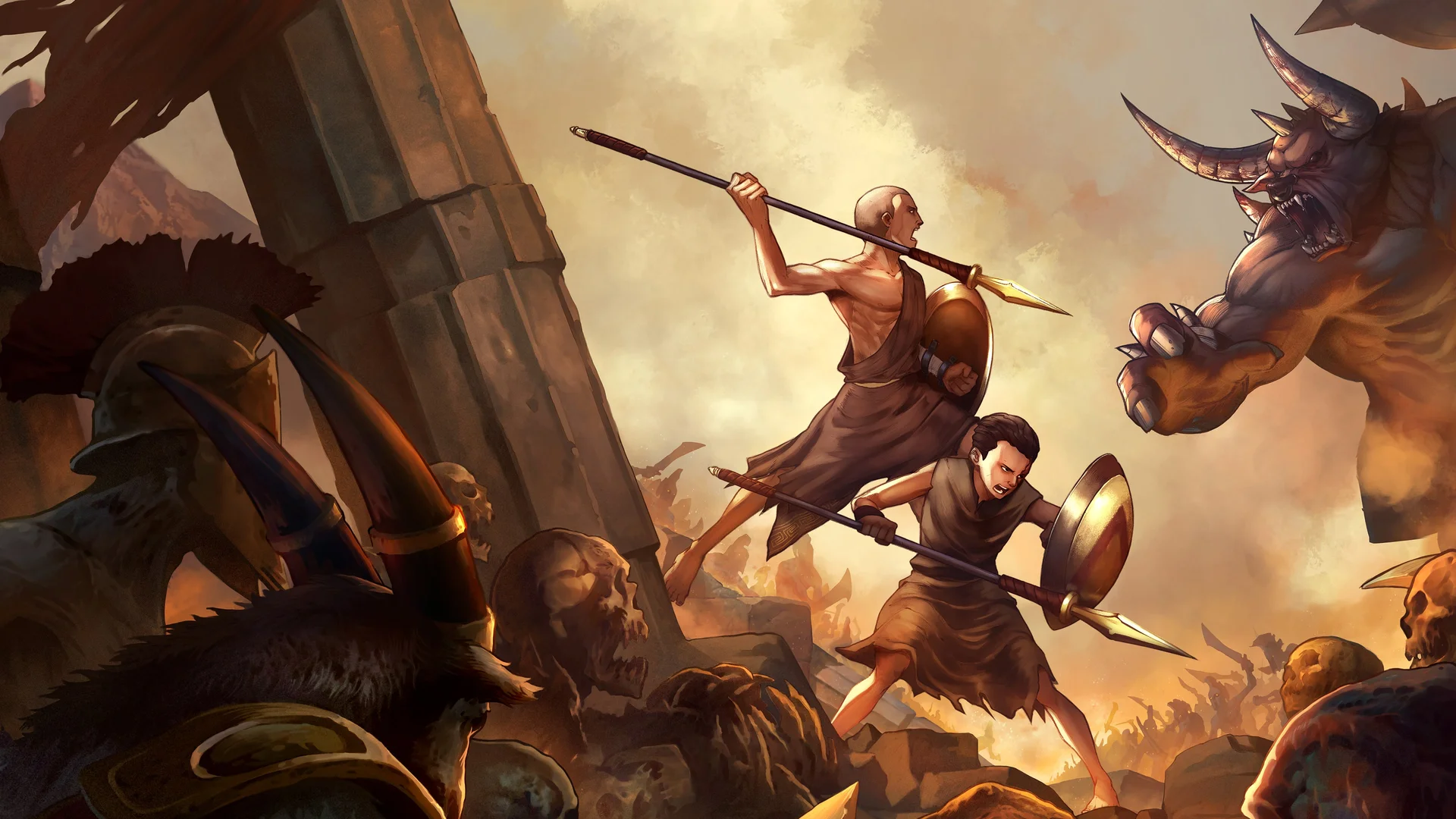
- God of War Sons of Sparta sales momentum rests on its spin-off appeal, not AAA-scale launches
- It is a Metroidvania-style sidescroller developed mainly by Megaat Studios
- Reviews praise the young Kratos storyline and Bear McCreary soundtrack
- Main criticism: a slow opening act that delays core systems and fast travel
- Best fit for patient players who enjoy exploration-heavy action games
Sales Outlook and Market Position
God of War Sons of Sparta sales represent an interesting case study in franchise spin-offs. Unlike mainline entries such as God of War Ragnarok, which moved millions of units in launch windows on the strength of AAA marketing, this title takes the series in a deliberately smaller direction: a pixel-art, sidescrolling Metroidvania focused on Kratos's youth. That means its commercial performance is best judged against mid-size action games rather than blockbuster releases.
Several factors shape its market position:
- Franchise recognition: The God of War name carries built-in awareness
- Genre shift: Metroidvania fans and series loyalists overlap only partially
- Price tier: Spin-offs typically launch at a lower price point than mainline entries
- Word of mouth: Positive later-game impressions must overcome mixed early-hours feedback
Video Highlights:
- Reviewers describe a familiar Metroidvania loop with combat at its core
- The story follows teenage Kratos and his brother Deeos searching for a missing boy
- Slow start, but systems deepen significantly after the opening hours
- Co-op unlocks only after finishing the story
If you are deciding whether to buy, weigh the genre shift heavily. This is not a third-person action epic — it is a compact Metroidvania, and its sales appeal depends on accepting that framing.
Reception Factors That Drive Sales
Critical reception is one of the strongest predictors of long-tail sales for mid-size titles. Based on available coverage, Sons of Sparta earns praise and criticism in clearly defined areas.
| Aspect | Reception | Impact on Sales Potential |
|---|---|---|
| Pixel art visuals | Positive | Strong first impression in trailers and store pages |
| Bear McCreary soundtrack | Positive | Appeals to franchise fans of Norse-era scores |
| Young Kratos story | Positive | Unique hook other spin-offs lack |
| Slow opening hours | Negative | Risk of early refunds and mixed user reviews |
| Late fast travel | Negative | Hurts backtracking-heavy mid-game enjoyment |
| Post-game co-op | Mixed | Bonus content, but poorly communicated |
Franchise Loyalists
- Drawn by Kratos lore
- Tolerant of genre shifts
- Core early buyer base
Metroidvania Fans
- Judge it on exploration design
- Value ability-gated maps
- Drive long-tail sales
Cautious Buyers
- Wait for reviews and patches
- Sensitive to slow starts
- Convert via discounts
Early hours offer limited tools and basic combos, fast travel unlocks late, and minor visual bugs plus one performance-troubled area have been reported. These issues temper enthusiasm during the crucial launch review window.
How the Game Earns Its Price
Understanding what the game offers helps contextualize its value proposition against its sales tier.
| Feature | Description | Depth Rating |
|---|---|---|
| Metroidvania structure | Connected regions, gated paths, ability-based return trips | ★★★★ |
| Combat | Combos, dodging, blocking, parrying | ★★★ |
| Spirit attacks | Trade meter for stronger effects, risk-reward | ★★★★ |
| Gear modifiers | Change damage types, add passive effects | ★★★★ |
| Belt system | Alters healing and enemy reactions | ★★★ |
| Skill trees | Expand options steadily through the campaign | ★★★★ |
The variety of environments also grows over time, moving from similar early zones to mountains, vineyards, and coastal areas — a progression that rewards the players who stick with it.
The customization layer — weapon modifiers, gear effects, and belt bonuses — is where the game differentiates itself from lighter Metroidvania offerings, supporting its price point despite the modest scope.
Getting the Most Out of Your Purchase
If you buy the game, these steps help you reach its stronger mid and late game faster, protecting the value of your purchase.
Push Through the Opening
Accept that the first hours are basic. Focus on learning the parry and dodge rhythm rather than expecting deep options immediately.
Prioritize Traversal Unlocks
New traversal powers open blocked paths across the map. Unlocking them early reduces painful backtracking before fast travel arrives.
Invest in Skill Trees
Once skill trees expand, allocate points toward the combat styles you actually use to keep encounters engaging.
Experiment with Gear Modifiers
Use damage-type modifiers and belt bonuses to shape progression — small changes noticeably alter fights.
Return for Co-op
After finishing the story, co-op unlocks. Plan a second playthrough with a friend for added value.
Players who stay patient report a stronger experience later on — the game simply takes longer than it should to show its best ideas.
Buyer Readiness Checklist
Before purchasing, run through this quick readiness check:
Pre-Purchase Checklist:
- I enjoy Metroidvania exploration and backtracking
- I am okay with a slow first few hours
- Pixel art style appeals to me
- Young Kratos story interests me more than AAA scale
- I may play co-op after finishing the story
FAQ
Q: Is God of War: Sons of Sparta selling like a mainline God of War game?
No. As a sidescrolling Metroidvania spin-off developed mainly by Megaat Studios, its God of War Sons of Sparta sales profile is closer to mid-size action titles than blockbuster mainline entries. Its commercial outlook depends on genre fans and patient franchise loyalists rather than mass-market AAA appeal.
Q: What makes this spin-off appealing to buyers?
The unique focus on teenage Kratos training in Sparta with his brother Deeos, framed as an older Kratos telling the story to his daughter. Add strong pixel art, a Bear McCreary soundtrack, and deep gear customization, and the game offers a hook most spin-offs lack.
Q: Do the early-game problems hurt its reception?
Yes. Limited starting tools, basic combat combos, late fast travel, and minor bugs have drawn criticism. Reviews note the game improves significantly once skill trees and equipment systems open up, but the slow start risks mixed early user feedback.
Q: When does co-op unlock?
Co-op mode stays locked until after you finish the story, and reviewers note this restriction is poorly communicated. Budget for a full solo playthrough before planning multiplayer sessions.